
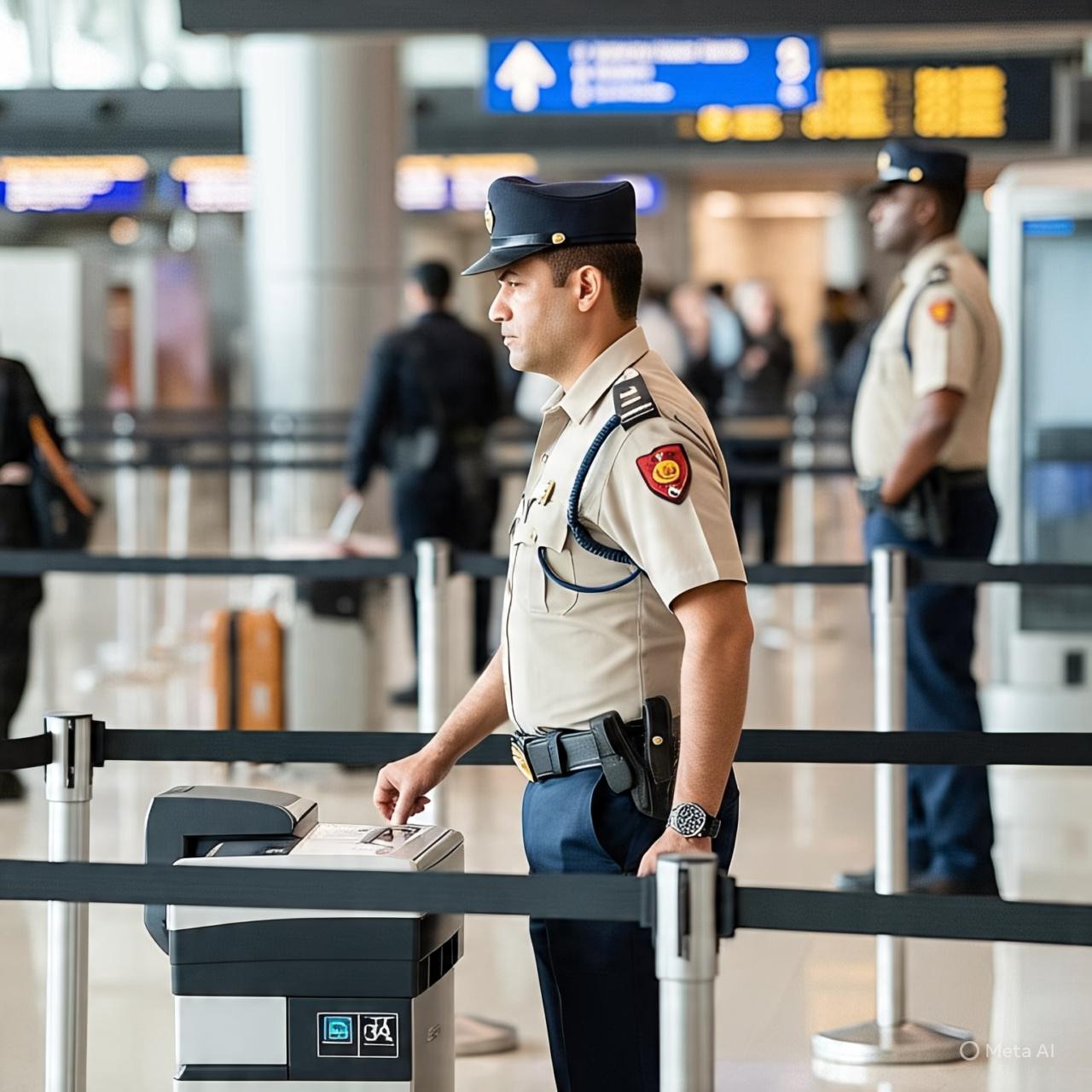
Introduction to Airport Security Challenges
Airports are high-risk zones that require robust security measures. With thousands of passengers moving through terminals daily, the potential for security breaches is significant. From terrorism threats to unauthorized access and theft, the challenges are vast. In this dynamic environment, well-trained security guards are indispensable in ensuring a safe and secure experience for travelers, staff, and aviation assets.
Why Airports Need Human Surveillance
While technology like CCTV and scanners is essential, human surveillance adds critical value. Security guards can respond in real-time, assess behavior, and handle situations that machines can't interpret effectively. Their presence alone acts as a deterrent against unlawful activities, making airports safer.
Key Responsibilities of Airport Security Guards
Security guards at airports play various roles, including monitoring restricted areas, checking IDs, inspecting baggage manually, and responding to emergencies. Their duties extend beyond routine checks—they often work with law enforcement and aviation staff to ensure protocols are followed meticulously. Their multitasking ability is crucial to managing airport safety on a daily basis.
Crowd Control and Passenger Management
With massive foot traffic at airports, managing crowds is vital. Security guards help maintain order during busy hours, flight delays, or emergencies. Their training in non-confrontational communication techniques ensures smooth passenger flow, reducing the risk of panic or chaos during critical moments.
Guarding Restricted Zones
Airports are full of sensitive areas such as runways, control towers, and luggage handling zones. Only authorized personnel should access these spaces. Security guards are stationed in these zones to enforce access restrictions and ensure that only cleared individuals enter. This helps prevent sabotage or theft of critical aviation equipment.
Emergency Response and Crisis Management
Security guards are trained to react promptly to fire alarms, bomb threats, or medical emergencies. Their ability to stay calm under pressure and guide people to safety can save lives. In such situations, the guard becomes the first responder until specialized help arrives.
Preventing Unauthorized Entry
One of the major tasks for airport security guards is to prevent unauthorized access to secure areas. They check entry passes, monitor camera feeds, and physically patrol boundaries. These efforts significantly reduce risks related to espionage, vandalism, or criminal activities at airports.
Supporting Security Infrastructure
Security guards don't work in isolation. They support the airport’s security infrastructure, including surveillance systems, biometric scanners, and metal detectors. They interpret alerts, verify signals, and perform follow-up checks when technology flags potential issues. Their human judgment adds a vital layer of decision-making to technical alerts.
Behavioral Monitoring and Threat Detection
Unlike machines, trained guards can pick up on suspicious behavior patterns. For example, someone loitering excessively, acting nervously, or carrying hidden items might raise a red flag. Guards are taught to detect these signs early, engage the person safely, and escalate the matter if needed.
Collaboration with Law Enforcement
Airport security guards often work hand-in-hand with national and local law enforcement. In case of arrests, searches, or evacuations, their support ensures compliance and smooth coordination. This partnership boosts the overall efficiency of airport security efforts.
Passenger Confidence and Experience
Travelers feel safer when they see vigilant guards on duty. Their visible presence reassures passengers that their safety is a priority. This can positively influence their travel experience, especially for families, solo travelers, and international visitors.
The Role of Static Security in Airport Zones
Certain areas within an airport demand a continuous, unmoving security presence. Static guards provide this service by remaining stationed at key checkpoints or entrances. Their job is to observe, report, and take immediate action when something appears out of place. A trusted provider of such services is well-equipped to supply dedicated personnel for static guarding, ensuring non-stop protection of critical spots in airports. Learn more about how professionals trained in static guard services operate at this static security provider.
Professional Training and Compliance
Airport security guards undergo rigorous training, including aviation-specific modules. They must understand laws, cultural sensitivity, emergency protocols, and customer service. The best service providers offer guards who are certified, compliant, and regularly assessed for performance.
Technology vs. Human Security: A Balanced Approach
Technology is fast and consistent, while humans offer intuition and judgment. When these strengths combine, airports achieve optimal safety. Security guards bridge the gap between automated alerts and real-world action, making them essential in today’s tech-enabled security systems.
A Trusted Name in Security Services
Choosing the right security provider for an airport is critical. Only agencies with proven experience in high-risk zones can meet the challenge. Companies such as this reputable security firm offer guards trained for complex environments like airports, ensuring a comprehensive and reliable security strategy.
Benefits of Hiring Trained Airport Security Personnel
Hiring specialized guards ensures:
-
Lower risk of breaches
-
Faster emergency response
-
Better passenger service
-
Legal compliance
-
Enhanced reputation for the airport
Security guards are not just hired hands; they are critical components of an airport’s reputation and operational safety.
Final Thoughts
As airports evolve and threats become more complex, the human element of security remains irreplaceable. Security guards bring vigilance, judgment, and responsiveness—qualities that machines alone cannot replicate. With their help, airports continue to offer safe, efficient, and pleasant travel experiences to millions around the globe.
FAQs
1. What are the duties of an airport security guard?
They handle access control, emergency response, passenger checks, and monitor restricted zones.
2. How do security guards respond to threats?
They follow established emergency protocols, alert law enforcement, and help evacuate or isolate areas.
3. Do airport guards work with technology?
Yes, they support CCTV, biometric systems, and alarms by interpreting alerts and acting accordingly.
4. What’s the difference between static and mobile security guards?
Static guards stay in one location, while mobile guards patrol the premises to cover broader areas.
5. Why is behavioral monitoring important in airports?
It helps identify suspicious individuals who may evade machine detection but exhibit unusual actions.
6. How does security presence affect passenger experience?
It increases confidence, comfort, and satisfaction, knowing that safety is actively managed.