
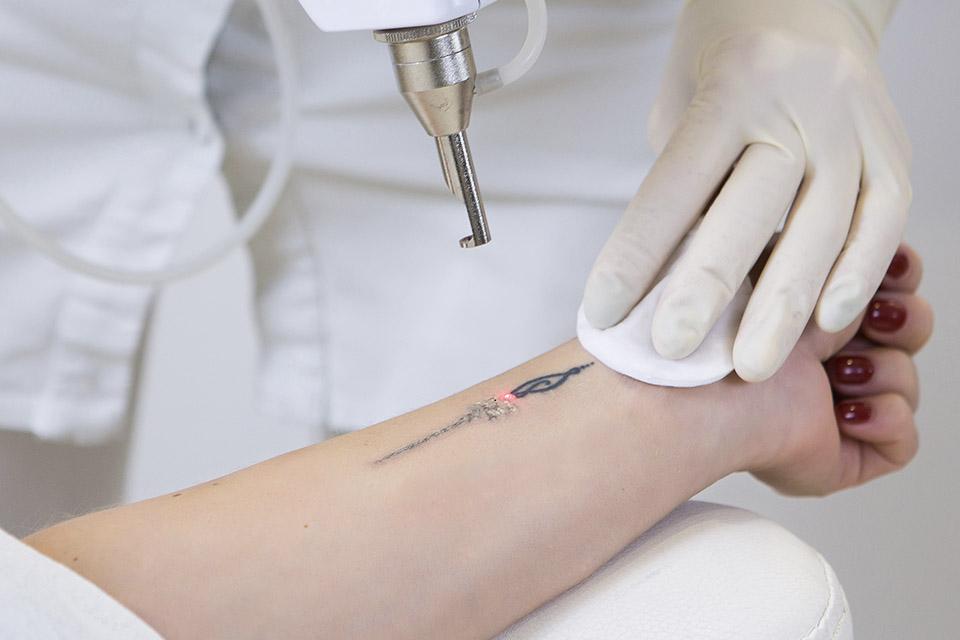
If you're considering laser tattoo removal in Dubai(إزالة الوشم بالليزر في دبي), one of the most common questions is: How many sessions will it take? The answer depends on various factors, including ink color, skin type, and tattoo age. While some tattoos fade in just a few sessions, others may require more treatments. Let’s explore what influences the number of sessions needed and what you can expect from the process.
Factors That Determine the Number of Sessions Required:
Ink Color and Pigment Depth:
Darker inks absorb laser energy more effectively than lighter shades.
-
Black & Dark Blue: Easiest to remove, typically needing 6–10 sessions.
-
Red & Green: Moderate difficulty, often requiring 8–12 sessions.
-
Yellow & Pastel Colors: Most stubborn, sometimes needing 12+ treatments.
Tattoo Age and Skin Type:
Older tattoos generally fade faster due to natural ink breakdown over time.
-
Fresh Tattoos (1–2 years): More sessions needed as ink is deeply embedded.
-
Older Tattoos (5+ years): May fade quicker due to prior sun exposure and natural fading.
-
Skin Tone Considerations: Lighter skin responds better, while darker skin requires specialized lasers to avoid pigmentation changes.
Tattoo Size and Location:
Larger and denser tattoos take longer to treat.
-
Small Tattoos (1–2 inches): Fewer sessions (5–8 on average).
-
Large or Sleeve Tattoos: May need 10+ sessions spaced months apart.
-
Areas with Thin Skin (Wrists, Ankles): Faster fading due to better laser penetration.
-
Areas with Thick Skin (Back, Calves): Slower progress due to deeper ink deposits.
The Science Behind Session Spacing:
Why You Can’t Remove a Tattoo in One Session:
Laser treatments work by breaking down ink particles gradually.
-
Immune System Response: The body needs time to flush out fragmented ink.
-
Skin Healing: Rushing sessions can cause scarring or burns.
-
Optimal Fading: Spacing allows for better, more natural results.
Recommended Time Between Appointments:
Most clinics suggest 6–8 weeks between sessions for proper healing.
-
First Few Sessions: More frequent (4–6 weeks apart for rapid initial fading).
-
Later Sessions: Spaced further apart (8–12 weeks for deeper ink clearance).
What to Expect During Each Session:
Consultation and Patch Test:
A specialist assesses your tattoo and tests laser settings for safety.
The Treatment Process:
Each session lasts 10–30 minutes, depending on size and complexity.
-
Protective Eyewear: Worn to shield eyes from laser light.
-
Cooling Gel or Air: Applied to minimize discomfort.
-
Laser Pulses: Delivered in quick bursts to shatter ink particles.
Post-Treatment Care:
Proper aftercare ensures optimal results and reduces risks.
-
Avoid Sun Exposure: Prevents hyperpigmentation.
-
Keep the Area Clean: Reduces infection risks.
-
No Scrubbing or Picking: Allows natural healing.
Realistic Expectations and Final Results:
Gradual Fading, Not Immediate Disappearance:
Tattoos lighten over weeks, not days.
-
First Few Sessions: Noticeable lightening, but ink remains visible.
-
Midway Point: Significant fading, with some stubborn patches.
-
Final Sessions: Minimal traces left, often requiring touch-ups.
When Is a Tattoo Considered "Fully Removed"?
Complete removal varies—some achieve 95% clearance, while others may need additional sessions for residual ink.
Choosing the Right Clinic for Best Results:
Importance of Expertise and Technology:
Not all lasers are equal—advanced clinics use updated devices for better outcomes.
-
Q-Switched Nd:YAG Lasers: Best for darker skin tones.
-
Picosecond Lasers: Faster results for stubborn colors.
-
Experienced Practitioners: Ensure safety and effectiveness.
Avoiding Cheap or Unverified Providers:
Low-cost treatments may use outdated lasers, increasing risks of burns or scarring.
Final Thoughts:
The number of sessions needed for laser tattoo removal (إزالة الوشم بالليزر)depends on multiple factors, but most people see significant results within 6–12 treatments. By selecting a reputable clinic and following aftercare instructions, you can achieve the best possible outcome. Always consult a certified specialist to create a personalized treatment plan tailored to your tattoo.