
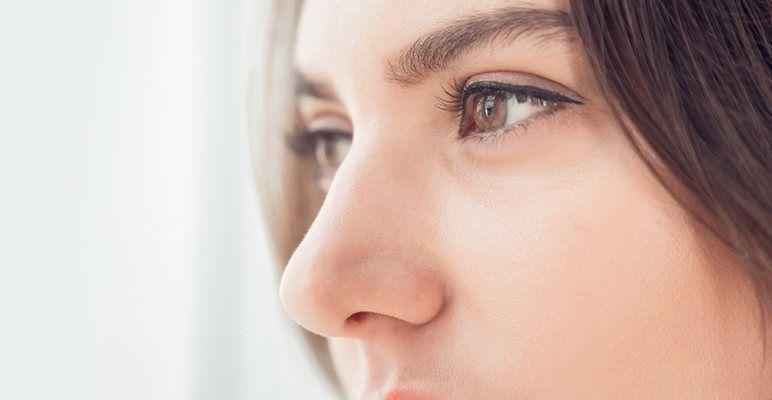
After rhinoplasty, the body enters the initial healing stage marked by swelling, bruising, and nasal congestion. Patients typically wear a nasal splint for protection and support. It's common to experience discomfort, pressure, or mild pain, especially in the first 48 hours. During this week, bruising may develop around the eyes, and swelling can make the nose appear much larger than the expected final result. Breathing through the nose may be difficult, but this improves gradually. It's crucial to rest, avoid strenuous activities, and follow care instructions during this critical healing window.
Early Recovery Phase (Week 2–3):
By the second week of Rhinoplasty in Dubai (تجميل الأنف في دبي), visible bruising and swelling start to subside significantly. The nasal splint is typically removed around day 7–10, allowing patients to see a preliminary shape of the nose. Although some residual swelling persists, especially at the nasal tip, patients begin to feel more comfortable returning to normal activities, including work and light social engagements. However, the nose is still healing internally, so activities that may put it at risk—like sports or heavy exercise—should be avoided. Early results start to emerge but are far from final.
Ongoing Subtle Recovery (Weeks 4–6):
During the first six weeks post-surgery, the structure of the nose continues to stabilize. Most patients are able to resume normal routines, including light workouts. Swelling continues to reduce but can remain subtly present, especially in the tip and surrounding areas. The nose may feel firm to the touch as internal tissues settle. This period is essential for maintaining proper care, avoiding impact, and managing sun exposure to protect the healing skin. While the nose is functional and visually improved, patience is still necessary for full resolution.
Gradual Definition Emerges (Months 2–3):
As patients enter months two and three, the nasal shape begins to refine. Swelling becomes increasingly localized to specific areas like the tip or bridge, depending on the surgical technique used. Any numbness or stiffness in the nose often starts to fade. At this point, many patients see 70–80% of their final results. The bone and cartilage structures begin settling more naturally, and overall facial harmony starts to improve. While casual observers may not notice residual swelling, the patient might still sense subtle changes or tightness internally.
Mid-Term Healing and Maturation (Months 4–6):
Between the fourth and sixth month, the nose continues its natural progression toward final shape and texture. Scar tissue softens, the nasal tip may begin to look more refined, and any minor asymmetries start to resolve. The skin adapts better to the reshaped framework, enhancing the overall aesthetic balance of the face. While healing feels more complete, some deep tissue changes and micro-swelling may still be occurring. It's important during this time to continue with follow-up care and to avoid any accidental trauma to the nose.
Approaching Final Results (Months 6–12):
At the six-month mark, most of the swelling has resolved, and the shape of the nose appears more consistent and natural. For most individuals, the majority of healing is complete by the one-year milestone. The tip definition sharpens, any minor asymmetries further reduce, and the nasal contours reach their intended structure. Patients can enjoy long-lasting improvements in both appearance and nasal function. By this stage, photographs reflect the true outcome, and the nose settles seamlessly into the facial profile.
Long-Term Stability and Maintenance (Year 1 and Beyond):
After one year, rhinoplasty results are considered stable. The nose continues to age naturally with the rest of the face but maintains the improved shape. Long-term care includes protection from sun damage, maintaining skin health, and avoiding injury. While the changes from rhinoplasty are permanent, aging, trauma, or lifestyle choices may subtly influence nasal appearance over decades. Most patients enjoy enhanced confidence, improved breathing (if functional corrections were made), and lasting satisfaction with the procedure.
Conclusion:
Rhinoplasty in Dubai (تجميل الأنف) healing is a gradual and dynamic process that unfolds over several months, with subtle changes continuing even up to a year or more. While the initial transformation is noticeable within the first few weeks, true refinement takes time as swelling diminishes and tissues settle into their new structure. Patience, proper aftercare, and realistic expectations are essential for appreciating the full aesthetic and functional results. Ultimately, rhinoplasty can provide a lasting improvement in facial harmony and self-confidence, making the healing journey well worth the wait.